Welsh Section B
The riding pony of the four Welsh sections: up to 13.2hh, finer than a Section A and bred…
One of the nine British native breeds, running semi-wild on the New Forest for a thousand years. Versatile, sure-footed and famously traffic-proof, and among the best all-round family ponies in Britain.
We do not have enough New Forest Pony adverts yet to publish a price range from our own data. The figures in the price section below are an editorial estimate.
Scores are editorial, and describe the breed in general. Individual animals vary, and how a dog is bred and raised matters more than its breed.
Ask to see the certificates, with the parents' registered names on them. "Parents health tested" in an advert means nothing on its own.
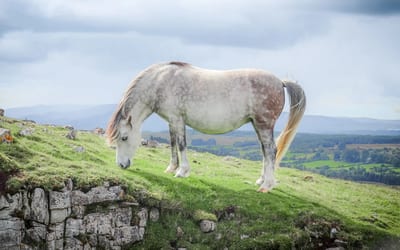
A British native of 122-148cm, running semi-feral on the New Forest in Hampshire, where a commoners' system of grazing rights has maintained them for a thousand years. Sturdy, sure-footed and unusually varied in height, which makes the breed useful across ages.
They are the native pony most likely to be genuinely unbothered by a lorry, because they have grown up beside the A31.
Ponies have been recorded on the Forest since 1016. Over the centuries Thoroughbred, Arab and other native blood was introduced deliberately to improve them - including a Thoroughbred, Marske, the sire of Eclipse, who stood on the Forest in the 1760s.
Outside blood has been closed since 1930 and the stud book is now pure. Around 5,000 ponies run on the Forest, owned by commoners and rounded up in annual drifts.
122-148cm, 230-320kg. A workmanlike riding pony with a sloping shoulder, good bone and hard feet. Any colour except piebald, skewbald or blue-eyed cream.
Type varies considerably: Forest-bred ponies tend to be smaller and hardier, stud-bred ones taller and finer.
Sensible, intelligent and friendly, with a reputation for being easy to handle once handled at all. They are bold without being sharp, and their Forest upbringing makes them notably unflappable about traffic, dogs, crowds and noise.
A pony bought straight off the Forest is a different matter - unhandled, and a genuine project.
Quick and willing. They take to almost any discipline and hold their training well. They are clever enough to be opinionated, and consistent handling is what settles that.
One of the best family ponies in Britain, and the height range is why - a 12.2hh pony for a child and a 14.2hh one for a parent can come from the same breed.
Match the pony's education to the rider's ability. Live out happily in company and are sensible around dogs and machinery.
Laminitis. As with every native, the main risk. Efficient metabolism, rich pasture, restricted grazing needed for most.
Equine Metabolic Syndrome and PPID, both blood-testable.
Congenital myotonia, a muscle stiffness disorder identified in the breed, with a DNA test. Uncommon but worth asking about.
Sweet itch, common and seasonal.
Dental problems in old age.
Otherwise hardy, with twenty-five to thirty years usual.
Daily checks, feet out daily, farrier every six to eight weeks, teeth annually, vaccinations annually, worm counts through the season. Most live out with a field shelter.
Thick winter coat that sheds heavily in spring. Manes and tails left natural for showing. Mud fever and rain scald are the routine winter jobs, and sweet itch means rugging from spring through autumn for affected ponies.
Ridden work three to five times a week. They have good stamina, jump well, and hack out sensibly. They are genuine all-rounders rather than specialists.
Very little hard feed. Hay in winter, soaked if weight is a problem, plus a vitamin and mineral balancer. Grazing is the thing to manage.
£1,500-£5,000 for a sound, schooled pony. £6,000-£15,000 for a proven show or competition animal. Unhandled Forest-bred youngstock sells at the autumn sales for a few hundred pounds, and that is a project for an experienced home rather than a bargain.
Keeping one costs £2,500-£6,000 a year.
Passport and microchip at the first viewing.
Ask whether the pony is Forest-bred or stud-bred and how much handling it has had. A pony off the Forest is unhandled, and buying one without the skills and facilities is how they end up passed on repeatedly.
Ride it, have the child who will ride it ride it, and see it caught from the field.
Five-stage vetting, and ask about laminitis history and sweet itch.
No New Forest Ponys are advertised at the moment. Save this search and an email goes out when one is listed.
A shortlist rarely has one name on it. These sit closest to the New Forest Pony on size, coat and temperament, and each one has a full guide.
Going to see a New Forest Pony? Take the horse and pony checklist with you. It is the questions worth asking while you are stood in somebody's kitchen, rather than on the drive home.