British Shorthair
The UK's most-advertised pedigree cat: calm, undemanding and famously easy to live with.…
The cat most people in Britain actually live with. No pedigree, a wide gene pool, and on average healthier and longer-lived than almost any breed. Thousands are in rescue waiting for homes.

We do not have enough Mixed Breed adverts yet to publish a price range from our own data. The figures in the price section below are an editorial estimate.
Scores are editorial, and describe the breed in general. Individual animals vary, and how a dog is bred and raised matters more than its breed.
Ask to see the certificates, with the parents' registered names on them. "Parents health tested" in an advert means nothing on its own.
A cat of no particular breed - a moggy. Around nine in ten cats in British homes are one. They are the product of generations of free breeding rather than selection, which is exactly why they are, on average, the healthiest cats in the country.
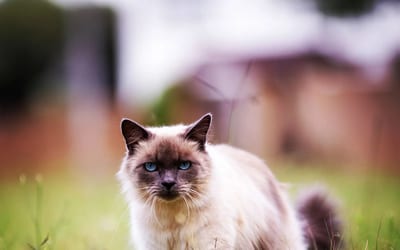
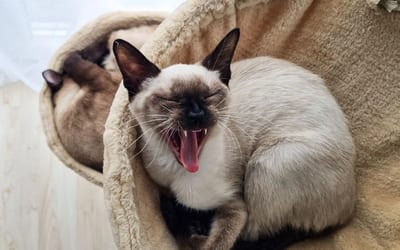
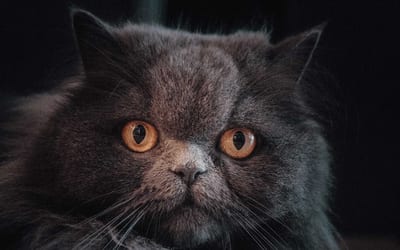
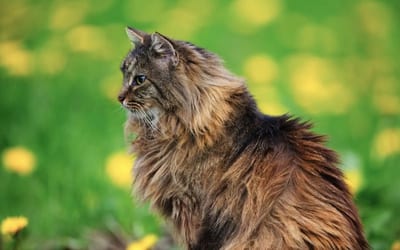
Short-haired, long-haired, tabby, black, tortoiseshell, ginger, white: all of it turns up, in every combination.
Domestic cats descend from the African wildcat, self-domesticating around grain stores in the Near East some ten thousand years ago. They spread with trade and with ships, and until the mid-19th century every cat in Britain was, in modern terms, a moggy.
Selective breeding is the recent development. The National Cat Show at Crystal Palace in 1871 is where the idea of cat breeds really begins, and everything before it is the ancestry of the cat on this page.
23-30cm and typically 3.5-6kg, but the range is enormous. Coat length, pattern and colour vary completely.
A kitten's adult size is hard to predict without knowing the parents. Paw size is a rough guide and nothing more.
Every temperament exists, and it is shaped far more by early handling than by breeding. A kitten handled daily by people between two and seven weeks old will usually be confident with people for life; one that was not may always be wary.
This is why the rescue's account of a cat's history matters more than anything else you can ask. With an adult cat you get something no kitten buyer gets: a known personality.
As bright as any pedigree. Moggies fetch, learn names, open doors and work out routines. Nothing about a pedigree confers intelligence that a domestic cat lacks.
Depends entirely on the individual, which is an advantage rather than a drawback: a rescue can tell you which of their cats has lived with children, with dogs or with other cats, and match you accordingly.
That is a better guide than any breed description.
Fewer than almost any pedigree, and this is the strongest argument for choosing one. Inherited conditions concentrate in closed gene pools, and moggies do not have one. Polycystic kidney disease, hypertrophic cardiomyopathy, hypokalaemia and the rest are far less common.
What they get instead is what all cats get: dental disease, kidney disease in old age, hyperthyroidism from about ten, obesity if overfed, and road injuries if they roam.
A long-coated moggy has the same matting risks as any longhair, and a white cat with pink ears needs sun protection in summer, whatever its ancestry.
Fourteen to twenty years is normal and many exceed it.
Food, water, a clean litter tray, play, and a look over the cat while you stroke it. An annual vet check from middle age, moving to twice yearly past twelve, catches kidney and thyroid disease early
Short-haired: a weekly brush, mainly for the pleasure of it. Long-haired: two or three combings a week to the skin, and do not assume a non-pedigree longhair needs less than a Persian - it does not.
Claws, teeth and ears as with any cat.
Moderate and largely self-directed if they have access outside. An indoor moggy needs the same enrichment as an indoor pedigree: height, wand play twice a day, and something to hunt.
A good quality complete food, measured. Obesity is the commonest preventable health problem in British cats and it is an owner problem, not a cat problem.
Free to about £150. A rescue adoption fee is typically £70-£120 and buys you a cat that is already neutered, vaccinated, microchipped, flea-treated, wormed and health-checked - well over £200 of veterinary work.
A kitten advertised privately for £150 with none of that done is the more expensive option once you have paid for it all yourself.
Start at a rescue. Cats Protection, the RSPCA, the Blue Cross and hundreds of independent shelters are full, and the intake rises every year. An adult cat comes with a known temperament, which is worth a great deal more than a kitten's unknown one.
If you take a kitten privately, ask the same questions you would of any breeder: see it with its mother, ask how old it is - nothing should leave before eight weeks and nine is better - and ask what vet treatment it has had.
Get it neutered. An unneutered moggy is where the next unwanted litter comes from, and the cost of neutering is less than one year of the alternative.
Ask for the microchip number and register it to yourself the day you get home. Microchipping has been compulsory for owned cats in England since June 2024.
No Mixed Breeds are advertised at the moment. Save this search and an email goes out when one is listed.
A shortlist rarely has one name on it. These sit closest to the Mixed Breed on size, coat and temperament, and each one has a full guide.
Going to see a Mixed Breed? Take the kitten and cat checklist with you. It is the questions worth asking while you are stood in somebody's kitchen, rather than on the drive home.